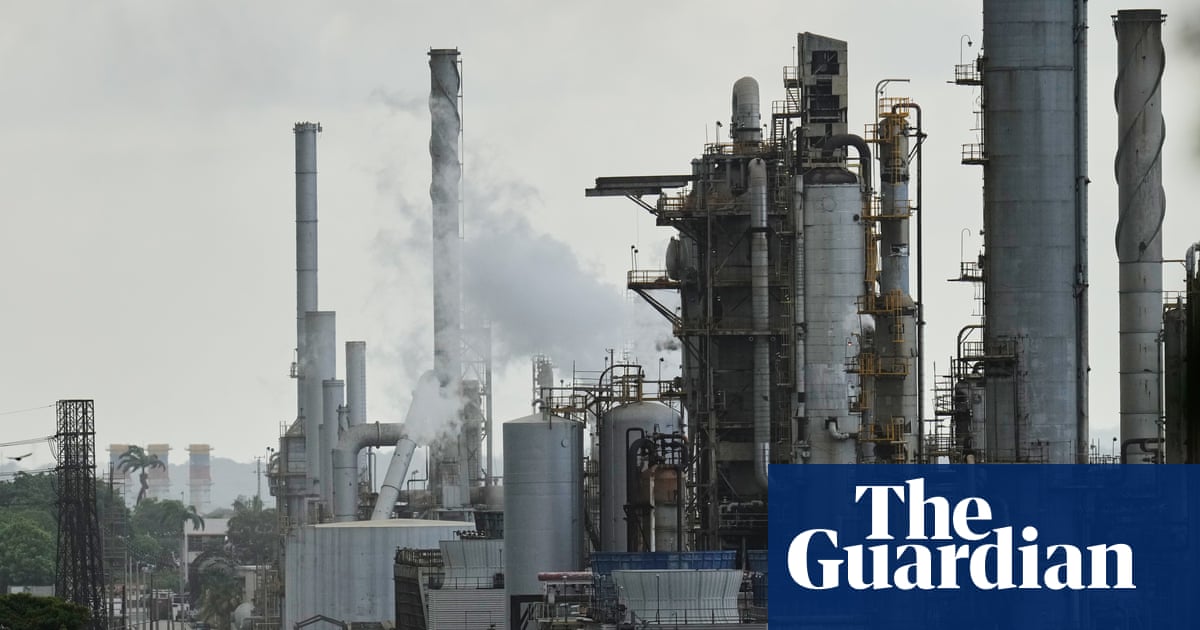
Venezuela's Oil Industry Struggles and the Potential Role of the US
Venezuela's oil industry has been declining for years and is currently producing about 1 million barrels per day, a significant drop from roughly 3.5 million barrels per day in 1999. By contrast, the United States produces over 13 million barrels per day.
Despite the decline, Venezuela is believed to hold the world's largest oil reserves, with authorities claiming up to 300 billion barrels, potentially about 17% of the global total. However, estimates vary and exact figures are uncertain.
Former US President Trump proposed that large American oil companies invest billions to repair Venezuela's deteriorated infrastructure. Potential participants include Exxon Mobil and ConocoPhillips, while Chevron remains active in the country but has not committed to new investments.
Under a possible new regime, US firms could partner with Venezuela's state-owned oil company PDVSA to develop oil projects in exchange for a share of the profits. This model may be attractive given PDVSA's weak finances.
Nonetheless, history suggests that forced regime changes do not quickly stabilize oil supply, with Libya and Iraq cited as sobering precedents. Additionally, about 80% of Venezuela's crude is exported to China, which has lent the country approximately $105 billion between 2007 and 2016. US actions could impact these repayments and China's energy imports.
Short-term market effects from US involvement are unlikely, with volatility expected as sanctions are relieved and regime changes unfold. A sustained recovery of Venezuela's oil industry could take decades and require tens of billions of dollars in investment from Western majors.