Vezo Communities Adapt to Coastal Challenges in Southwest Madagascar
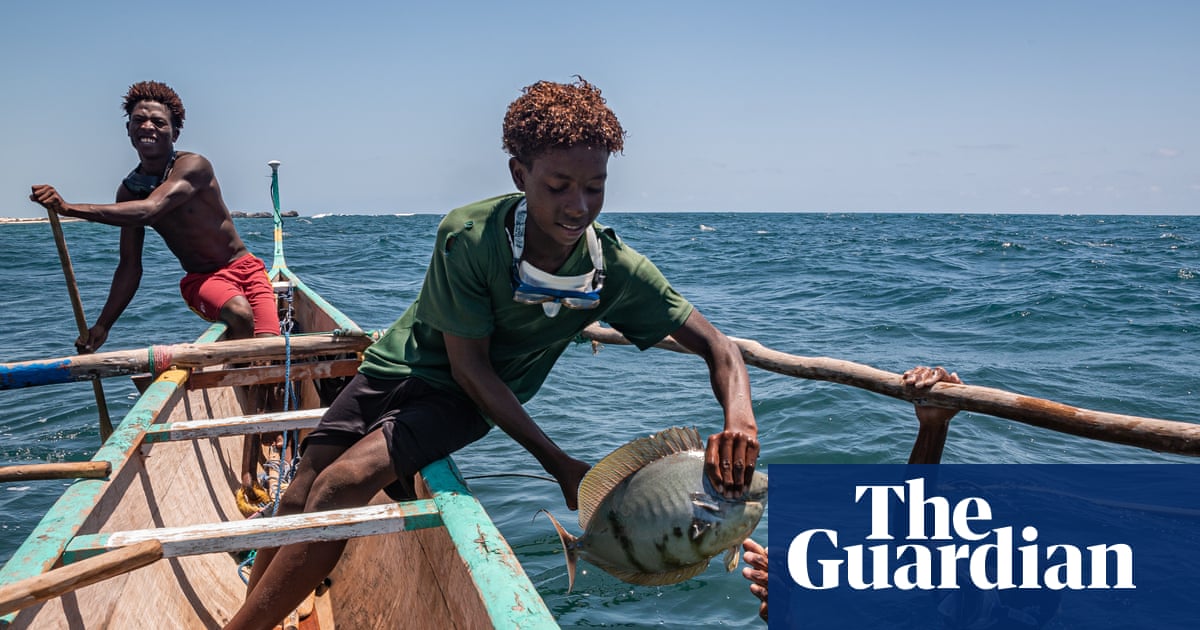
The Vezo semi-nomadic fishers along Madagascar’s southwest coast, including the island of Nosy Ve with a population around 600 and the community of Andavadoaka, rely heavily on small-scale fishing of species such as tuna, barracuda, and grouper. Their daily meals depend on the day's catch, reflecting a deep cultural connection to their marine environment.
However, climate change combined with intensified industrial trawling has severely impacted near-shore fish stocks. Since the 1990s, reef fish biomass in southwest Madagascar has declined by more than half, leading to shorter fishing seasons and forcing fishers to venture farther from the coast. Despite a legally established two nautical mile (3.7 km) ban on industrial trawling nearshore, both Malagasy and foreign industrial trawlers frequently enter these waters. Weak enforcement of these protections results in increasingly scarce returns for small-scale Vezo fishers.
In response, locally managed marine areas (LMMAs) supported by the organization Blue Ventures have been instrumental in promoting community regulations, reef restoration efforts, and alternative livelihoods. Temporary closures of fishing grounds have led to rebounds in octopus stocks and encouraged seaweed farming, which serves as both a buffer against overfishing and climate-related shocks.
Seaweed farming has emerged as a significant supplementary income, particularly in Ambatomilo, known locally as Seaweed Village. Households there can harvest up to a tonne of seaweed each month, selling it at approximately 1,500 ariary per kilogram. This seaweed is either exported for carrageenan production or used locally as fertilizer and animal feed. Besides economic benefits, seaweed helps stabilize coastlines, absorb carbon, and cushion households during periods of fishing downturns.
Some Vezo fishers travel long distances—up to 1,000 miles (1,600 km)—to fish in locations like the Seychelles, underscoring the pressures on local resources. Despite the environmental and economic challenges, Vezo communities continue to maintain their cultural traditions, including Tromba spiritual rituals. Their post-fishing meals remain centered on rice, beans, and fish, with catches shared among crew members, reflecting enduring communal bonds and cultural resilience.
