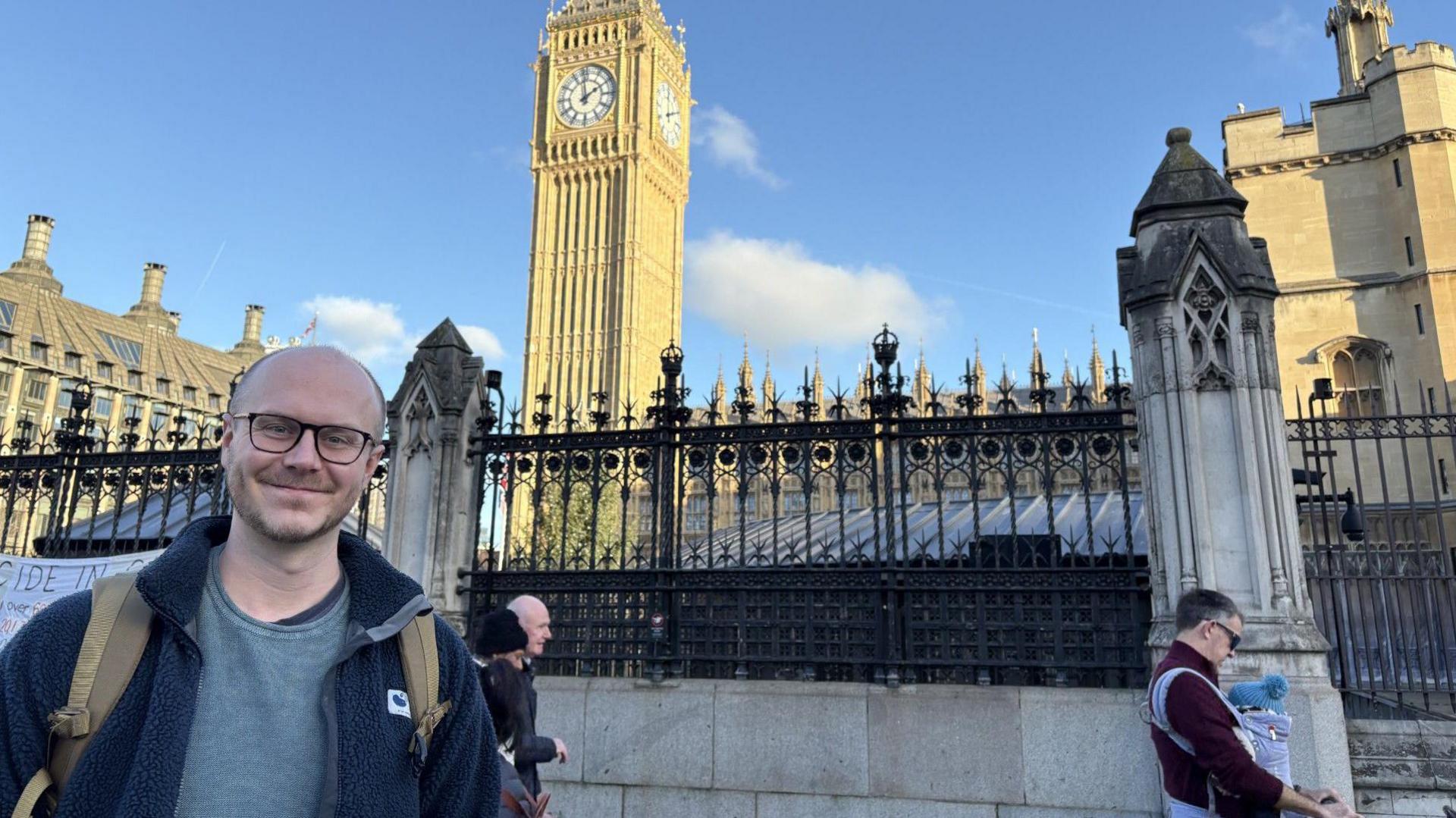
Visitors Experience the Commons Visitors' Gallery During a Day of Parliamentary Debates
The Commons Visitors' Gallery is free to enter following security checks and requires no prior booking. On this particular day, it drew about 400 to 600 visitors. Access to the gallery occurs after the Speaker's Procession, which features the Serjeant at Arms carrying the mace, the Speaker, the trainbearer, the chaplain, and the secretary, with an inspector shouting for spectators to remove their hats.
The day’s parliamentary business included questions directed to business and trade ministers, covering topics such as Brexit, the hospitality sector, and employment rights, all delivered in an amicable tone. Taiwanese student Yinwen Yeh and her mother Karen Fan visited the gallery after a diary mix-up. They observed proceedings for about an hour and noted that the ceremony can feel like an aristocratic arena.
Alize Zobairi and Zarmeen Noor, Pakistani expatriates living in Dubai, were attracted to MPs' surgeries and the connection between representatives and their constituents. They watched Business Questions and referenced specific cases involving vaccine access and visa renewals.
Renton Fewster and Libby Robinson, visitors from near Leeds who wandered in spontaneously, felt somewhat out of place, noting that the House of Lords is more casual and describing Parliament’s decor as over-the-top. A painting of Sir Thomas Roe at Ajmir from 1614 prompted reflections on colonialism and debate about whether such art should be removed; some observers argued for preserving public memory of the past.
Tom Bell from Southampton praised Parliament as a journey through centuries of English parliamentary history. He stressed that visiting in person helps people feel more engaged, pointing out that digital tools can create distance between citizens and politics. The day concluded with a Pilning planning-law debate. Liberal Democrat MP Claire Young described the subject matter as dry, and the gallery emptied as dusk fell.