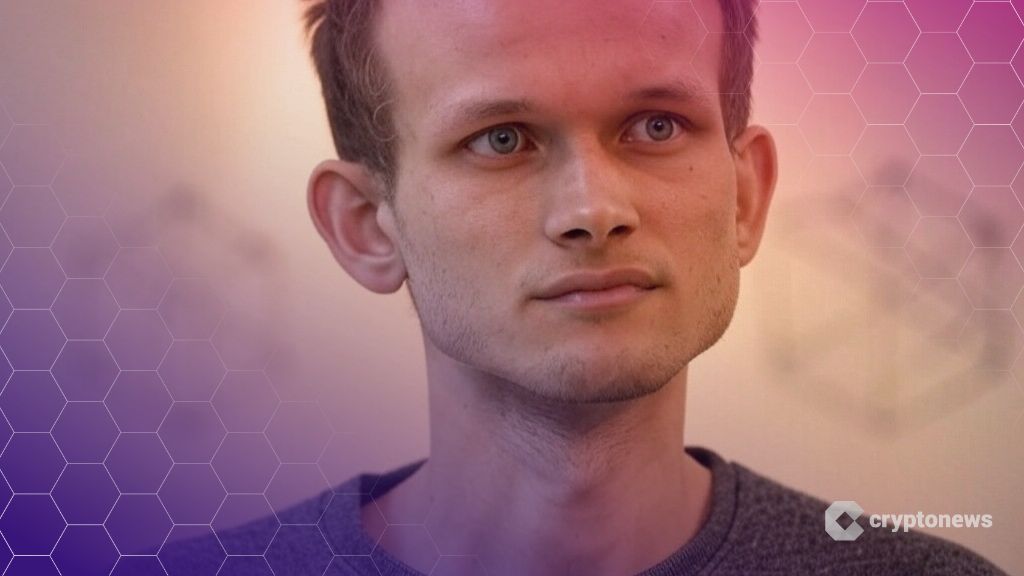
Vitalik Buterin Announces Ethereum Has Solved the Blockchain Trilemma Using Zero-Knowledge EVMs and PeerDAS
Ethereum co-founder Vitalik Buterin announced that Ethereum has addressed the blockchain trilemma by employing zero-knowledge EVMs (ZK-EVMs) alongside PeerDAS on mainnet. This advancement enables Ethereum to achieve decentralization, consensus, and high bandwidth simultaneously.
The ZK-EVMs are now production-quality, with proving times dramatically reduced from 16 minutes to 16 seconds and costs decreased by a factor of 45. On target hardware, 99% of Ethereum blocks can be provably validated in under 10 seconds. PeerDAS facilitates data availability sampling of smaller portions of blocks instead of full blocks, significantly enhancing throughput without compromising decentralization.
The Ethereum Foundation’s roadmap projects advancements culminating in 128-bit provable security by the end of 2026, with interim milestones including 100-bit security by May 2026 and mandatory integration of soundcalc by February 2026. The deployment plan extends through 2030 and encompasses multiple phases: increasing gas limits and implementing Balance Attack Limits with Proposer-Builder Separation in 2026; repricing gas, changing state structures, and migrating execution payloads into blobs between 2026 and 2028; and finalizing with ZKVM validation as the primary method for block verification by 2030. Additionally, distributed block building will be introduced as a third component to reduce centralization and enhance geographic fairness.
Buterin cautioned against pursuing short-lived trends such as tokenized dollars or memecoins and emphasized the importance of prioritizing long-term decentralization and applications that pass the walkaway test.
Institutional adoption is accelerating, exemplified by JPMorgan’s launch of a $100 million tokenized money-market fund on Ethereum and Deutsche Bank’s development of a Layer 2 solution using ZKsync. Furthermore, 24 financial institutions are actively testing asset tokenization under Singapore’s regulatory framework.
This breakthrough represents the culmination of a decade-long journey, originating from Buterin's 2015 data availability sampling commit and early zero-knowledge EVM research around 2020.