Wasted Public Money and Rachel Reeves's Income Tax Hokey Cokey
Wasted public money largely stems from fragmented and siloed public services. Reform should prioritize individuals, families, and communities, emphasizing prevention rather than reaction. Advocates suggest reviving the Total Place pilots from 2009-10 and placing place-based budgets at the heart of public service reform. This approach would enable local leaders to collaborate with communities across service boundaries.
Signatories to this proposal include Michael Bichard, former DfE permanent secretary; John Denham, Secretary of State for Communities and Local Government (2009-10); Liam Byrne, Chief Secretary to the Treasury (2009-10); and Helen Bailey, Director of Public Service at HM Treasury (2008-11).
Demos research is cited, arguing that income tax increases are necessary to remedy public finances and could be more acceptable if paired with wealth taxes. Recent tax reforms, such as the partnership tax announced this month, enjoy cross-party support. However, a lack of positive vision remains a significant barrier to public support for tax rises.
An editorial from 11 November calls for a change in narrative to lay the foundation for different politics. The budget presents an opportunity to transform Britain’s narrative by offering a new deal between citizens and the state based on fairness, mutual contribution, and effective delivery.
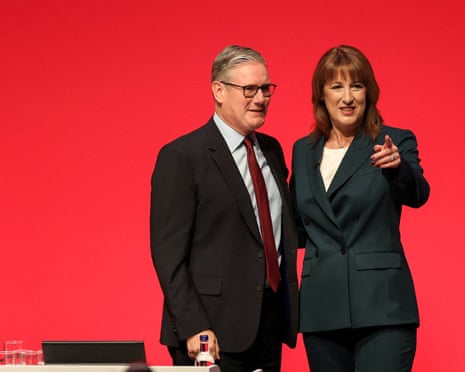
In a lighter vein, Jol Miskin remarked that Rachel Reeves is rumored not to raise income tax rates, humorously likening the situation to a Strictly Come Dancing hokey cokey.
