Widespread Protests and Leadership Changes Amid Economic Crisis in Iran
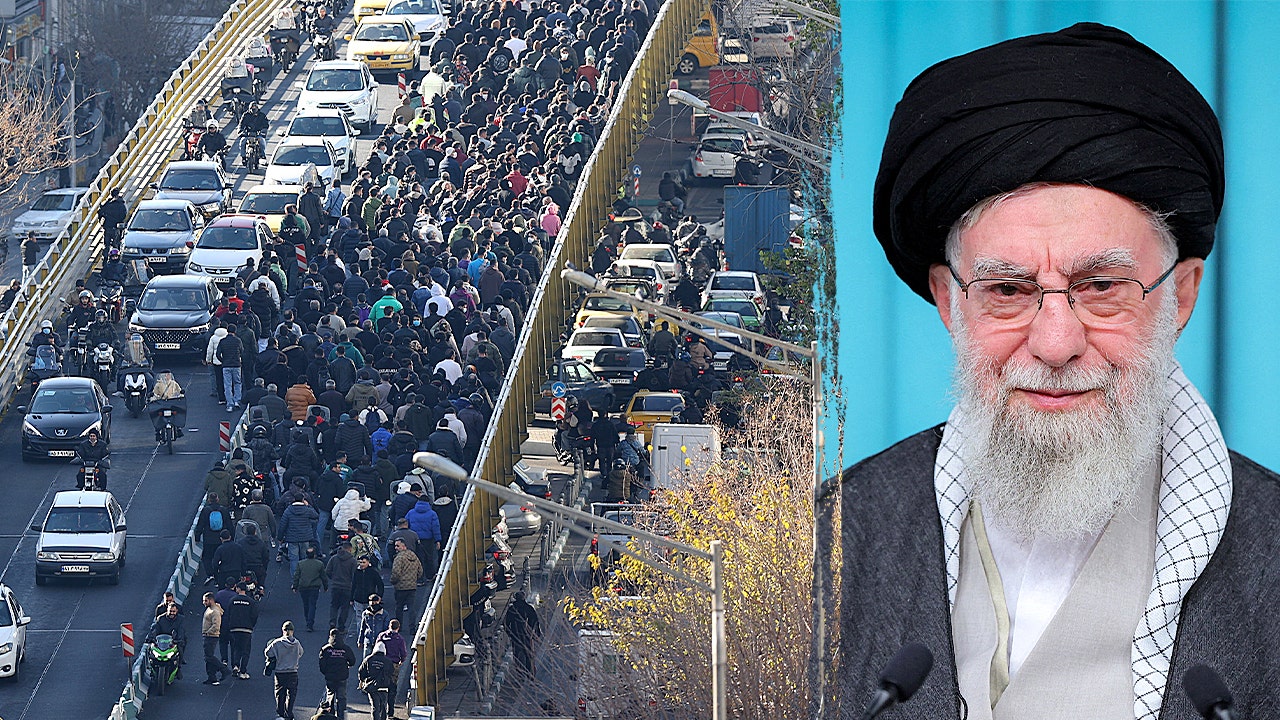
A nationwide shutdown ordered by the Iranian government affected 21 of the country's 31 provinces, including Tehran, with businesses, universities, and government offices closed. The shutdown coincides with protests entering their fourth day, marked by clashes between protesters and security forces in cities such as Shiraz, Isfahan, Kermanshah, and Tehran. Demonstrators have chanted anti-regime slogans including "Death to Khamenei." In Fasa, protesters reportedly stormed the governor's office, leading security forces to open fire, while military helicopters were observed overhead.
The unrest unfolds amid inflation, currency instability, and declining living standards, fueling widespread public anger. In response to the crisis, President Masoud Pezeshkian announced the shutdown and appointed Abdolnaser Hemmati as the new head of Iran's central bank following the resignation of Mohammad Reza Farzin. Additionally, Supreme Leader Ayatollah Ali Khamenei appointed IRGC Brig. Gen. Ahmad Vahidi as deputy commander in chief of the Islamic Revolutionary Guard Corps (IRGC).
Video footage supplied by the MEK and reported by Reuters showed intense clashes and anti-regime slogans, with particular emphasis on bazaar-led protests in Tehran. The MEK also claimed that Iran is developing chemical and biological missile warheads as protests continue to spread across the country.