Widespread Protests Erupt Across Iran Amid Economic Crisis and Calls for Dialogue
Iran is experiencing its largest demonstrations in three years, with protests spreading beyond Tehran to major cities including Isfahan, Shiraz, Mashhad, Hamadan, and others. The unrest is driven by a plunging rial currency, which has fallen to around 1.42 to 1.45 million per US dollar, a record low since roughly 430,000 per dollar in 2022, and declining living standards, including a 72% increase in food prices and a 50% rise in medical goods costs year on year.
The demonstrations have taken place in key urban areas such as Tehran’s Jomhouri Street, Shoush and Molavi districts, Isfahan’s Naqsh-e Jahan Square, as well as university campuses like Tehran University, Sharif University of Technology, Shahid Beheshti University, Elm-o-Sanat University, and Khajeh Nasir University, which have become major centers for protests despite tightened campus controls. Strikes and widespread participation by bazaar merchants, including closures at the Grand Bazaar and gold market, highlight growing unrest. Nighttime protests with chants opposing the regime were reported from Qeshm Island to Zanjan and Hamadan.
Violence has included the use of tear gas by security forces in Tehran and Malard, and reports of live fire in Hamadan. Protesters have reportedly pushed back security forces in some areas. The unrest is viewed by analysts as reaching a "critical threshold" due to a combination of the currency collapse, sanctions, and shortages of water and energy.
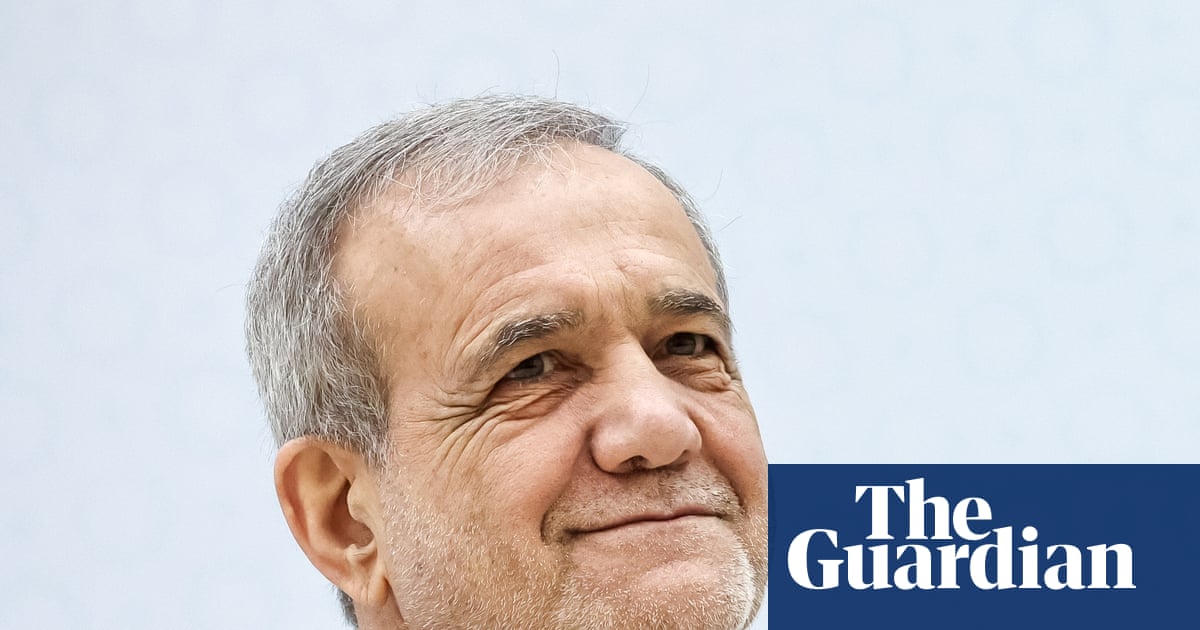
In response, Iran’s government, led by President Masoud Pezeshkian, has called for dialogue with protest leaders. Pezeshkian has directed the government to listen to protesters’ legitimate demands and pursue reforms to the monetary and banking system to preserve purchasing power. A mechanism for dialogue with protest movement leaders will be established. Iranian authorities have acknowledged the unrest and pledged engagement.
The economic crisis worsened with government plans to raise taxes in the Iranian new year starting 21 March. The government has also seen the resignation of central bank chief Mohammad Reza Farzin amid the currency collapse. Foreign Minister Abbas Araghchi indicated that Iran remains open to agreements based on mutual respect and interest.
Internationally, U.S. President Donald Trump expressed support for the demonstrators but refrained from discussing regime change, focusing instead on Iran's economic difficulties and condemning lethal government responses to the protests. U.S. officials, including UN Ambassador Mike Waltz, urged respect for fundamental rights and voiced support for Iranians’ efforts to have their voices heard.
Meanwhile, the National Council of Resistance of Iran (NCRI) claimed the protests reflect the anger of "tens of millions" of Iranians, though these claims could not be independently verified due to restricted access inside Iran. Analysts noted a relative easing of domestic repression since the summer conflict with Israel and occasional relaxations by the morality police in Tehran.