Wrexham AFC's Ownership and Funding Shift Reflects New Football Paradigm
Wrexham AFC has undergone a rapid transformation in recent years under the stewardship of investors Ryan Reynolds and Rob McElhenney. The club's narrative has shifted from that of a chronic underdog to one dominated by significant private investment, highlighted by the sale of a minority stake to Apollo Sports Capital. This transition marks a departure from traditional football club growth models, focusing instead on major cash inflows from wealthy owners.
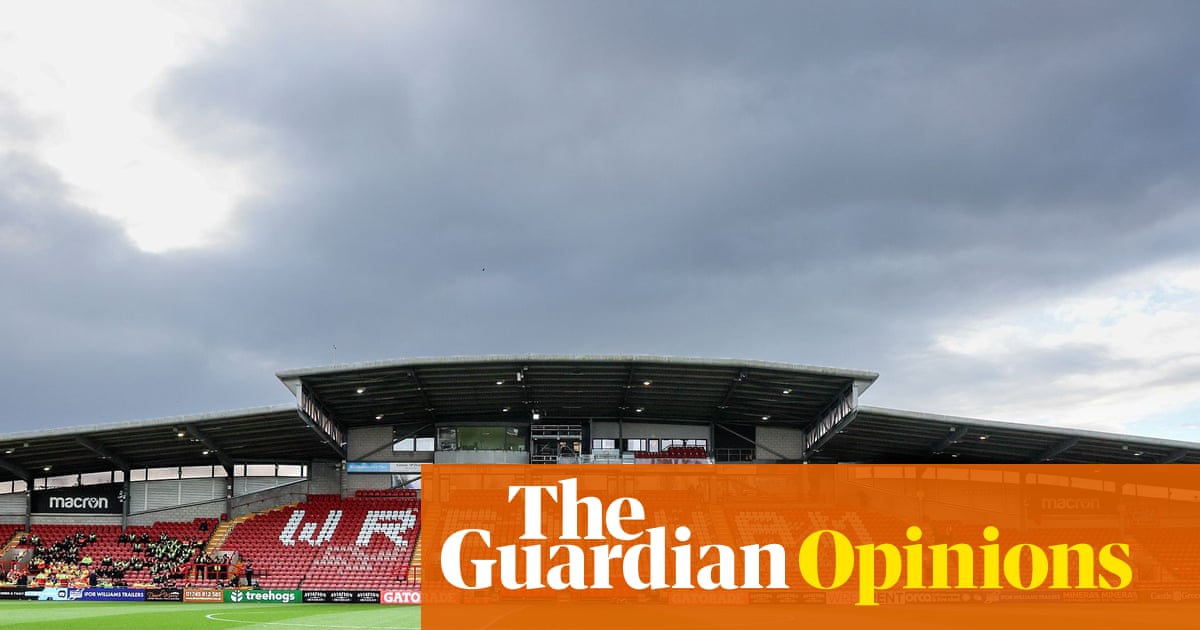
The Welsh government has supported this new trajectory by approving an £18 million grant to renovate the club's Racecourse Ground, an investment framed as regional regeneration despite primarily benefiting a private football entity. This public funding decision has drawn attention to the broader issue of governmental involvement in private football infrastructure projects, raising calls for increased regulatory scrutiny given the limited national capacity for such expenditures.
Apollo Sports Capital, which holds the minority stake, is linked to the wider Apollo investment group. Although the group’s founder, Leon Black, resigned in 2021 amid scrutiny over Epstein-related payments, the current involvement with Wrexham reportedly has no such ties. Nevertheless, the relationship underscores the complexity of investment patterns in modern football ownership.
Financially, Wrexham’s approach is notable for its heavy dependence on private capital flows. The club's net expenditure over five seasons amounts to approximately £40 million – the largest net spend by any Championship club in that period – signaling a model reliant more on owner investment than on traditional revenue avenues. Despite this, Wrexham maintains that its operating model is sustainable, citing robust commercial revenue streams.
This case exemplifies a form of 'eat-what-you-kill' capitalism in football, where financial power and private investment drive club progress in ways that challenge conventional structures and invite questions about the role of public money in supporting privately-owned sporting enterprises.