Young Atlantic Salmon Sighted in North-West England Rivers After a Decade
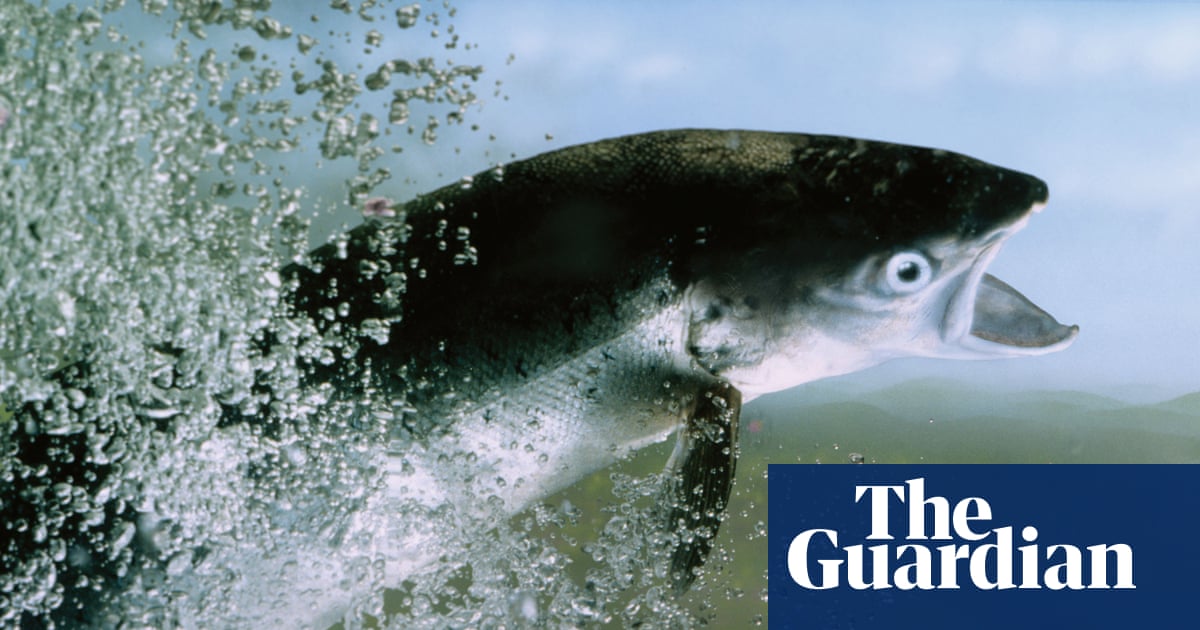
In December 2025, young Atlantic salmon, declared critically endangered in Britain in 2023, were sighted for the first time since 2015 in three north-west England rivers: the Mersey, Bollin, and Goyt. These sightings mark the arrival of Arctic Circle-origin salmon returning to British rivers to spawn after spending two to three years feeding in the Arctic.
Salmon typically spawn in freshwater gravel beds and then return to their spawning rivers, a journey now increasingly threatened by environmental challenges. Britain's salmon population has declined by approximately 30 to 50 percent since 2006 due to climate change, pollution, and invasive species. Additionally, migration barriers such as weirs on the River Tame and Mode Wheel locks on the River Irwell continue to block some migratory routes.
While some rivers were biologically dead in the 1980s, recent recovery efforts have allowed these waterways to support both pollution-tolerant and sensitive species, signaling a broader environmental turnaround. In the Mersey river system, salmon are now able to reach the gravel beds in the Bollin and Goyt rivers, though other rivers remain inaccessible due to barriers.
Local anglers, including Mike Duddy of the Salford Friendly Anglers Society, have called for installing fish passes to enable salmon to migrate further upstream to the Roch and Irk rivers, as well as other rivers in the Bolton area.
The Environment Agency plans to conduct a new salmon distribution study in early 2026 using environmental DNA (eDNA) sampling techniques to map the spawning range and monitor recovery efforts of these critically endangered fish.