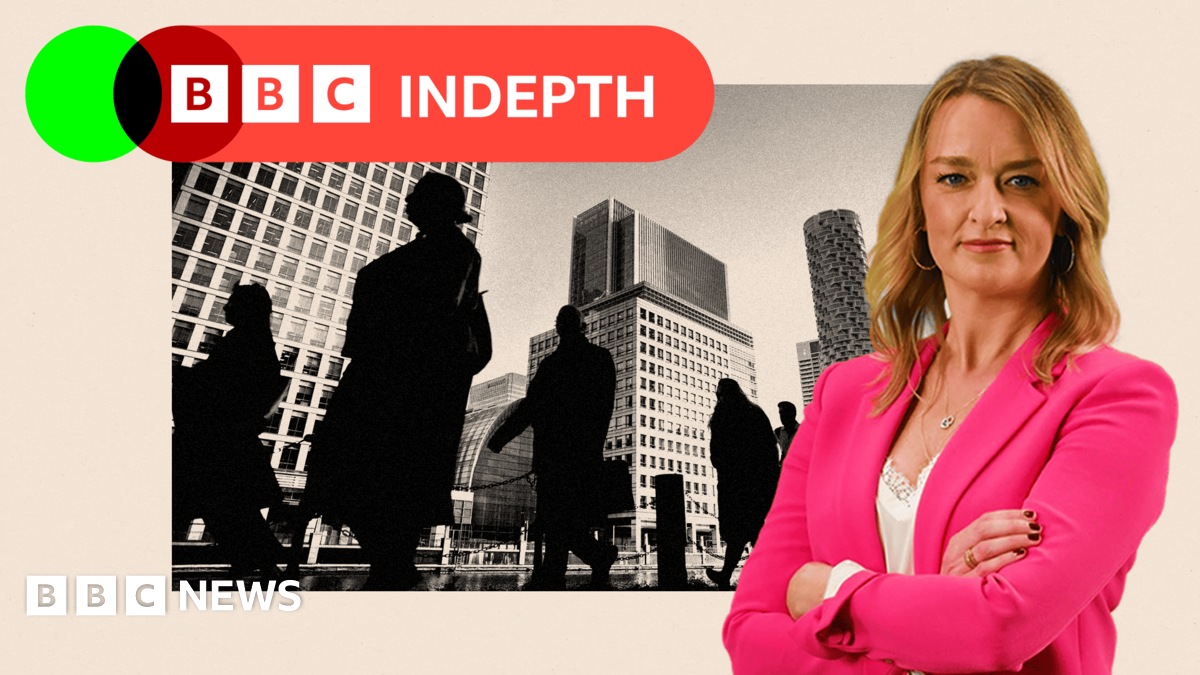
Youth Unemployment and NEET Challenges Among 16-24-Year-Olds in the UK
Between July and September 2025, approximately 946,000 young people aged 16 to 24 in the UK were not working or studying, representing more than 10% of this age group. Young men are more frequently classified as NEET (Not in Education, Employment, or Training), with the highest NEET rates found in the North East and East of England. Over half of these young people have a health condition, and about one in five have a mental health condition.
Those aged 16-24 are nearly six times more likely to be employed on zero-hours contracts compared to other age groups. Politically, autumn polls indicate that the Green Party is most popular among young women, while the Reform Party leads among young men without degrees. Labour holds around 30% support among under-30s.
A cabinet minister has acknowledged youth unemployment as a critical issue and introduced a Youth Guarantee plan aiming to provide paid work for individuals not working or studying for 18 months. Details of this plan will be announced by Pat McFadden as the policy is implemented. Alan Milburn has been commissioned to lead a review to identify the underlying causes of youth employment gaps, with a report expected next year.
The policy concept of a 'right to try,' which would allow young people to try a job without losing benefits, has been linked to proposals by Liz Kendall. Discussions around welfare reform have generated political tension, particularly relating to perceptions of who is 'deserving' of support. Ministers caution against excessively punitive measures, while some voices advocate for more radical actions to address the challenges faced by young people.