Zohran Mamdani's Inauguration Marks a New Era of Participatory Politics in New York City
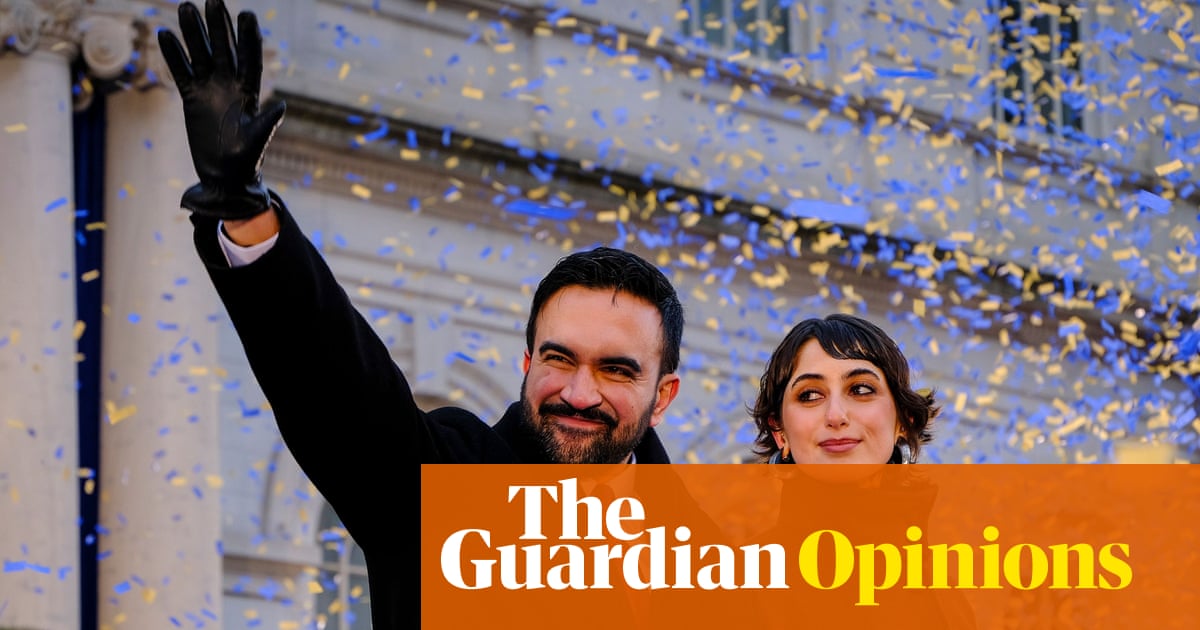
Zohran Mamdani was sworn in as New York City's 112th mayor on January 1, 2026, in a ceremony that broke from traditional, elitist norms by emphasizing mass public participation in politics. The inauguration featured a block party with a street closed to accommodate tens of thousands viewing the event on large screens, while a few thousand gathered at City Hall.
The event included appearances by prominent figures such as Alexandria Ocasio-Cortez and Bernie Sanders, and attendees chanted pro-redistribution slogans. Pamphlets lauding the efforts of more than 104,000 volunteers were distributed, highlighting the extensive grassroots involvement in Mamdani's campaign and governance approach.
Mamdani's campaign embraced innovative and inclusive engagement techniques, including a viral street-interview initiative in Queens and the Bronx starting in November 2024, the building of a sizable volunteer network, a city-wide scavenger hunt in August 2025, and a football tournament. Following his electoral victory, he launched a jobs portal that attracted 74,000 applications. In mid-December 2025, he held a unique session inviting New Yorkers to speak with him in 15-minute slots over 12 hours, underscoring a commitment to responsive and participatory politics.
His administration's universalist reforms aim to be inclusive and stigma-free, featuring free childcare, free bus transportation for all city residents, and a rent freeze for rent-stabilised apartments. These changes exemplify his view of government as an active facilitator of solidarity and welfare rather than a passive actor — a challenge to the prevalent neoliberal political landscape.
This political approach is contextualized within a broader post-2008 landscape of participatory movements, contrasting with figures such as Keir Starmer and distinguishing Mamdani from other mass mobilization leaders like Donald Trump and Nigel Farage. Overall, Mamdani's tenure marks a transformative shift in how government engages with its citizens and addresses social welfare needs.